

Apprenticeship Summary
Develop the precision engineering talent your business depends on
The Machining Technician - Level 3 Apprenticeship is designed for employers who need highly skilled engineers capable of producing complex, high-quality components to exact specifications.
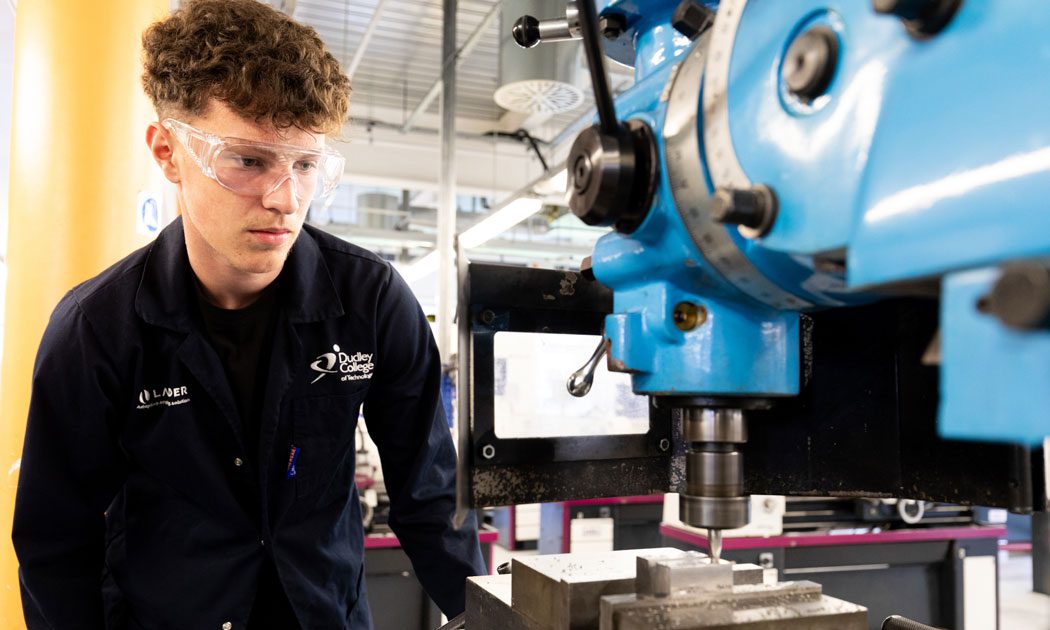
Apprentices develop advanced machining knowledge, technical competence and professional behaviours while contributing directly to production, quality and continuous improvement activities. They learn how to set up, operate, adjust and optimise both conventional and CNC machine tools, helping businesses improve productivity, quality and operational performance.
Is this apprenticeship right for your business?
If your organisation needs skilled machinists who can produce precision components, programme and operate CNC machinery, maintain quality standards and support manufacturing efficiency, this apprenticeship is an excellent investment.
Machining Technicians are essential to modern manufacturing and engineering businesses, producing complex components used across industries such as aerospace, automotive, defence, construction, nuclear, maritime and medical engineering.
What will Apprentices Learn?
Apprentices develop the technical expertise required to manufacture complex engineering components safely, accurately and efficiently.
Training combines practical workplace experience, technical instruction, engineering projects and structured off-the-job learning. Apprentices gain valuable hands-on experience while developing the advanced skills required in modern machining environments.
The programme is delivered on a day release basis.
Programme content includes:
- CNC and conventional machining techniques
- Turning, milling, grinding and precision machining
- Machine set-up and operation
- Tool selection and work-holding devices
- Engineering drawings and technical specifications
- CNC programming, proving and validation
- Measurement, inspection and quality control
- Engineering materials and manufacturing processes
- Fault diagnosis and problem solving
- Lean manufacturing and continuous improvement
- Health, safety and environmental compliance
- Engineering mathematics and scientific principles
Apprentices learn how to interpret engineering data, plan machining activities, optimise machine performance and manufacture components to demanding quality standards.
Learning combines expert teaching with practical workplace application, enabling apprentices to make a measurable contribution to productivity and quality.
We'll work closely with you to tailor the learning experience to your business requirements and operational environment.
Professional Skills Development
Unlike some apprenticeship standards, the Machining Technician Apprenticeship focuses on developing occupational competence through a combination of workplace experience, technical training and practical application.
Apprentices develop industry-relevant knowledge, skills and behaviours in areas including CNC machining, precision engineering, quality assurance, engineering mathematics, technical drawing interpretation and continuous improvement, ensuring they are fully prepared to operate as skilled Machining Technicians within advanced manufacturing environments.
This approach allows employers to develop capability that is directly aligned to their equipment, processes and business requirements.
Entry Requirements
Apprentices should be employed in a suitable role that allows them to demonstrate the knowledge, skills and behaviours required by the occupational standard.
Apprentices should also hold a grade 4 or equivalent in both GCSE English and maths.
Apprentices may be required to work towards English and maths qualifications as part of their apprenticeship where appropriate. We will provide advice on the requirements that apply to your apprentice and support them throughout their learning journey.
How is the Apprentice Assessed?
Apprentices are assessed throughout the programme through workplace activities, practical application, reviews and achievement of programme requirements.
The End-Point Assessment (EPA) typically includes:
• Practical Demonstration with Questions
• Interview supported by a Portfolio of Evidence
• Knowledge Test
These assessment methods ensure apprentices can demonstrate the technical competence, knowledge and professional behaviours required of a skilled Machining Technician.
Need Help Finding the Right Apprentice?
Our Apprenticeship Onboarding Team can support you through every stage of the recruitment process, including promoting your vacancy to prospective candidates, including talent within our existing student cohort here at the College.
Whether you're recruiting your first apprentice or expanding your workforce, we'll help you find the right candidate for your business.
Ready to get started?
If you're looking to recruit an apprentice or upskill an existing employee, our Employer Engagement Team is here to help.
Get in touch today to discuss your workforce needs, funding options and upcoming start dates.
Funding and Employer Incentives
Apprenticeships are a cost-effective way to recruit new talent or develop your existing workforce, with significant government funding available for eligible employers.
Our Employer Engagement Team will explain the funding and incentives available to your organisation. View our latest Apprenticeship Funding and Employer Incentives for the most up-to-date information.
Career Progression
The Machining Technician Apprenticeship provides an excellent platform for long-term progression within engineering and manufacturing.
Potential progression opportunities include:
• Engineering Manufacturing Technician
• CNC Programmer
• Precision Engineer
• Toolmaker
• Production Engineer
• Manufacturing Engineer
• Quality Technician
• Supervisory and Team Leader roles
The programme develops highly sought-after skills that are valued across advanced manufacturing industries.