
Full-Time A Level Learners Aged 16-18 Years – Diversity (2024-25 Year-End)
Impact on Diversity and Inclusion
Gender
Ethnicity
Learning difficulty or disability
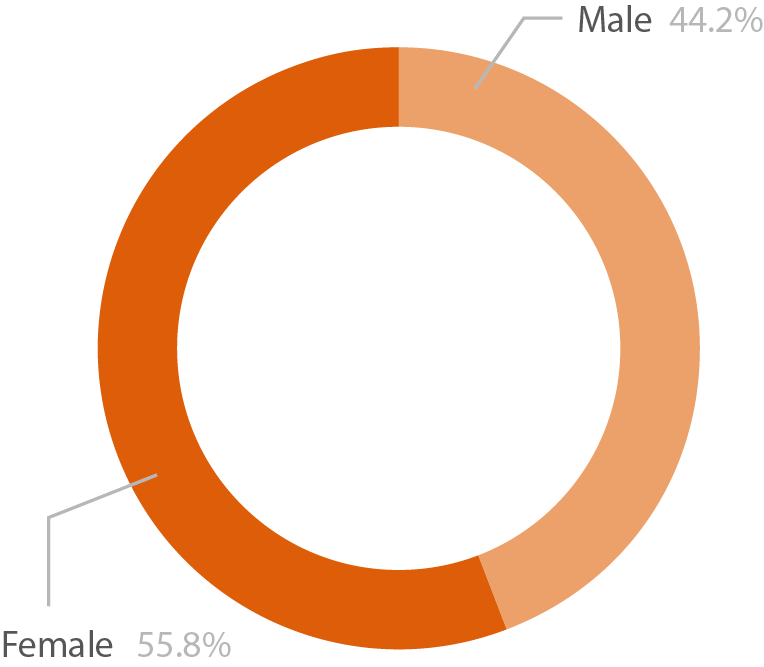
Dudley Sixth continues to support a very diverse student body. 2024/25 continued to see more female learners (346) choose to study A levels than male learners (274). Males achieved at a marginally higher rate than females (+2.8%), which is in contrast to previous years. A marginal increase in performance for females (+0.1%) but a significant increase in male performance (going from 80% to 88.4%).
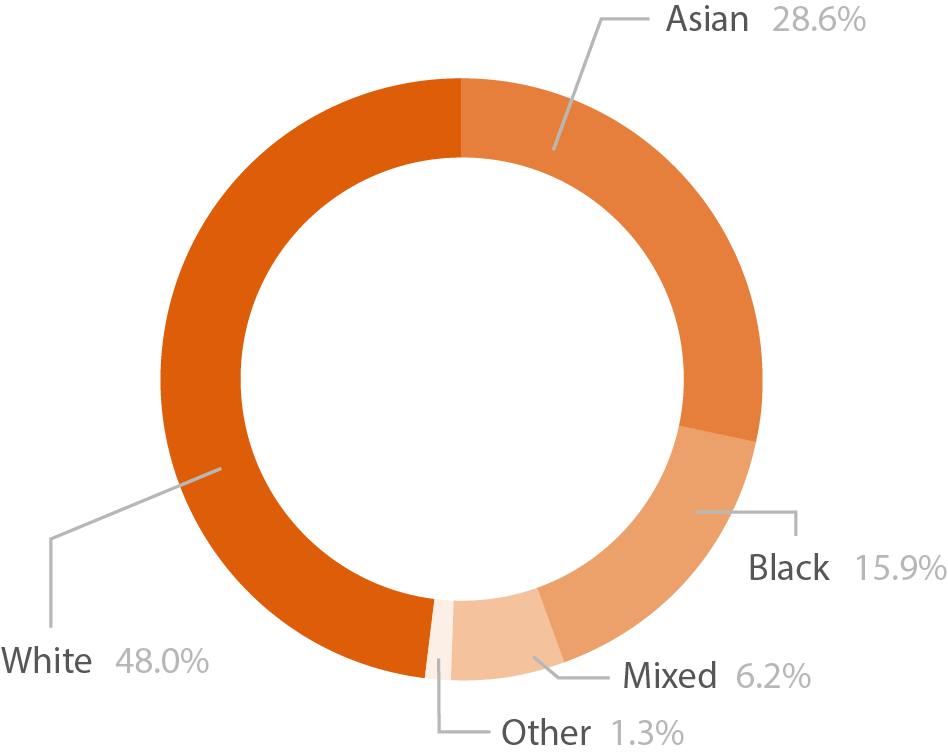
The A Level ethnicity profile indicates that our learner cohort is more diverse than the local community, with representation from minority groups increasing by 5.3% to 318 learners (52.1%), compared to 45.9% last year. This is notably higher than the 15.1% minority population within the borough. The upward trend in achievement among Black learners has continued, and targeted support for those identifying as ‘Other’ has led to a significant improvement, effectively closing the achievement gap identified in 2023/24. This however needs to be monitored so that achievement is sustained. Asian achievement rates have also risen by 3.5%. However, outcomes for students identifying as ‘Mixed Heritage’ remain an area for improvement.
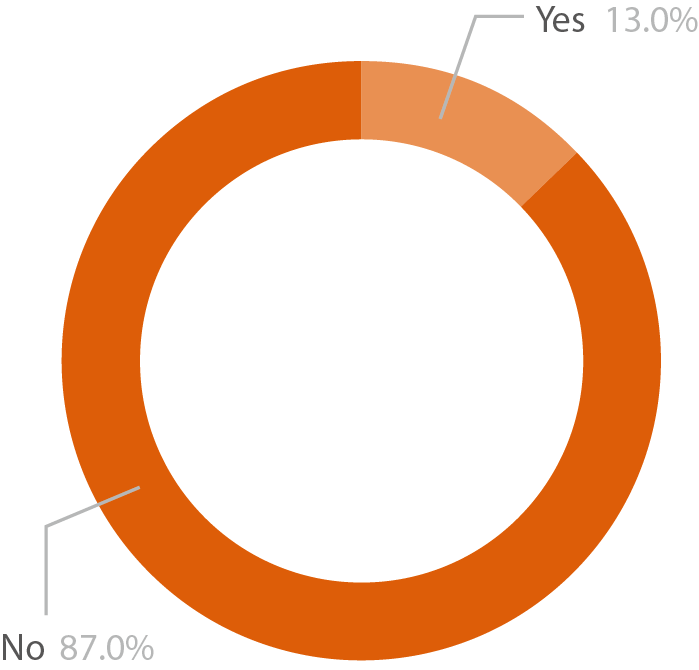
Dudley Sixth supports several students with learning difficulties or disabilities through a wide range of support mechanisms, with the proportion of learners declaring a disability/learning difficulty remaining broadly the same, 2023/24 – 80 (12.8%) learners compared to 78 learners (13%) in 2024-25. Achievement rates of this group are lower than their peers which will be a heightened focus for the college in the next year.